
In short: cracked heels usually start with dry skin and a rim of thick, hard skin around the heel. When that hard skin cannot stretch, it splits. Most cracked heels improve with a steady routine: moisturize every day, soften and gently remove thick skin once a week, and keep heels covered and hydrated overnight.
Deep, bleeding or painful cracks, and any cracks if you have diabetes, need a doctor. This guide covers the common cracked heels causes, a simple cracked heels treatment at home, and where VOESH heel socks and peeling socks fit in.
Why heels crack: the common causes
- Dry skin. The skin on the soles has no oil glands, so it depends on moisturizer to stay supple. Dry weather and winter make this worse.
- Thick, hard skin. Pressure from standing and walking builds a callus around the heel. Thick skin is less flexible, so it splits under pressure.
- Long hours on your feet. Standing, especially on hard floors, adds pressure to the heel rim.
- Open-back footwear and walking barefoot. Sandals and slippers let the heel spread sideways with each step, which pulls on the skin.
- Long hot baths or soaks without moisturizing. Water draws oils out of the skin, and it dries tighter afterwards.
- Some health conditions. Diabetes, thyroid conditions, eczema, psoriasis and fungal infections can all show up as dry, cracked heels.
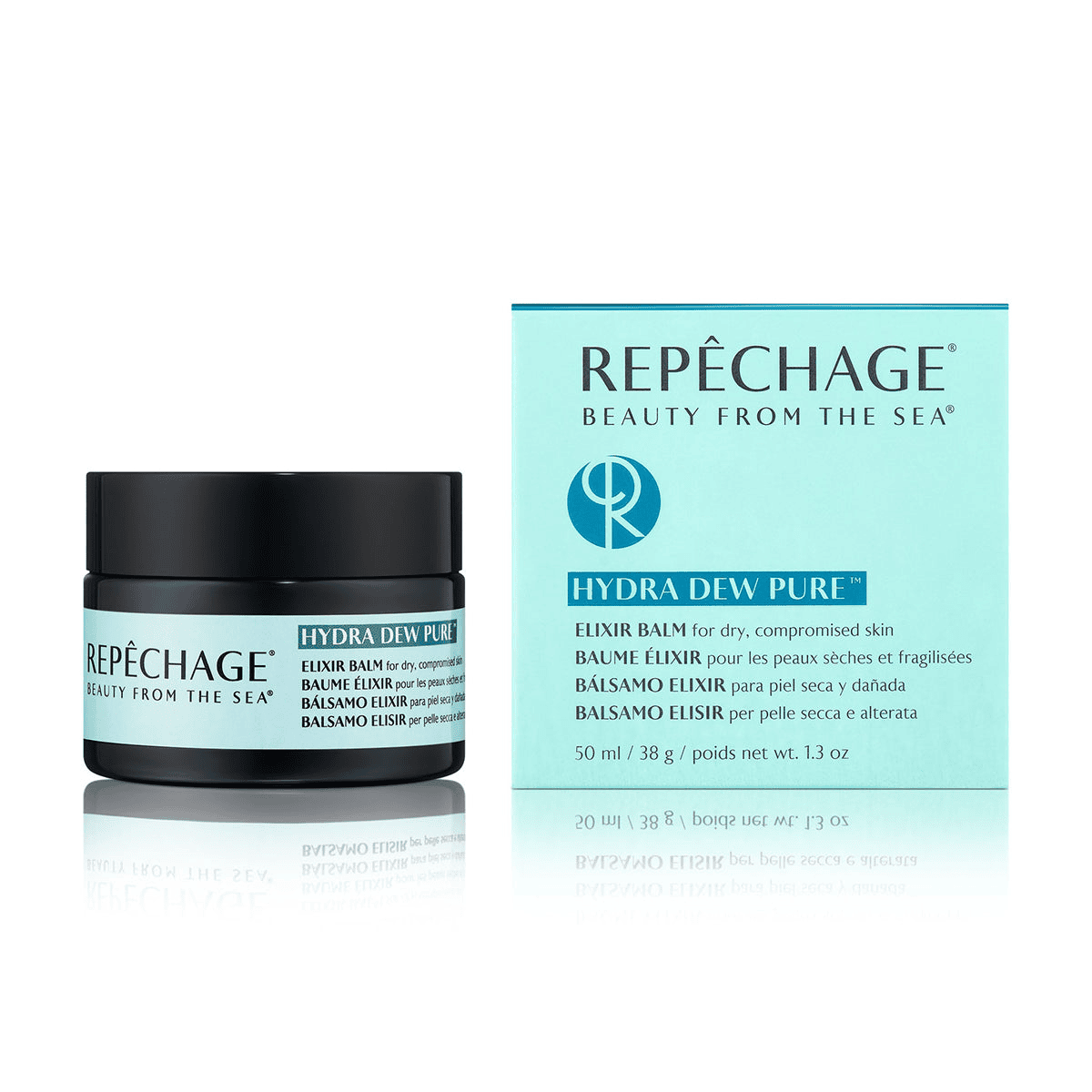
Repêchage Hydra Dew Pure Elixir Balm
A simple routine for cracked heels at home
Every day
- Moisturize morning and night. Use a rich foot cream or a balm on clean, dry feet. Hydra Dew Pure Elixir Balm is made for extra dry, compromised areas, including feet and elbows: work a small amount into the heels until absorbed.
- Wear closed-back shoes when you can, and socks at home on cold floors.
Two or three nights a week
- Hydrate overnight.VOESH Moisturizing Heel Socks have a gel lining with jojoba oil and olive oil that sits against the heel. For cracked heels, the directions suggest wearing them overnight two or three times a week until the skin is smooth, then once a week to keep it that way. They are washable and reusable up to 50 times.
Once a week
- Soften, then file gently. After a short warm soak or shower, use a foot file on the hard rim of skin, a few light strokes at a time. Stop before the skin feels tender. Never cut or shave hard skin yourself.
- Or use a callus softener. The VOESH Callus Remover Gel is a single-use pouch with AHA and BHA acids, aloe and olive oil, applied to rough areas to soften hard skin before you file. Do not use it on broken skin.
Peeling socks or heel socks?
They do different jobs:
- Heel socks moisturize. If your heels are dry but the skin is not thick, heel socks alone are usually enough.
- Peeling socks exfoliate.VOESH Peeling Socks contain AHA and BHA acids and are worn for a set time, after which the dead outer skin on the feet peels away over the following days. They are for hard, thick or flaking skin. Follow the timing on the pack, let the skin come away on its own, and wait four to six weeks between treatments.
Many people with hard, cracked heels use both: a peel first, then heel socks to keep the new skin soft. Do not use peeling socks on cracks that are open or bleeding, on broken skin or eczema, during pregnancy without asking your doctor, or if you have diabetes without medical advice.
Make it a pedicure
A full at-home pedicure once a week combines most of these steps. The VOESH Pedi in a Box Ultimate 6 Step includes a sea salt soak, sugar scrub, mud masque, callus remover, massage butter and moisturizer, each packed for one pedicure. Our guide to Epsom salt for feet explains how to soak safely, and the VOESH socks and gloves collection has the rest of the range.
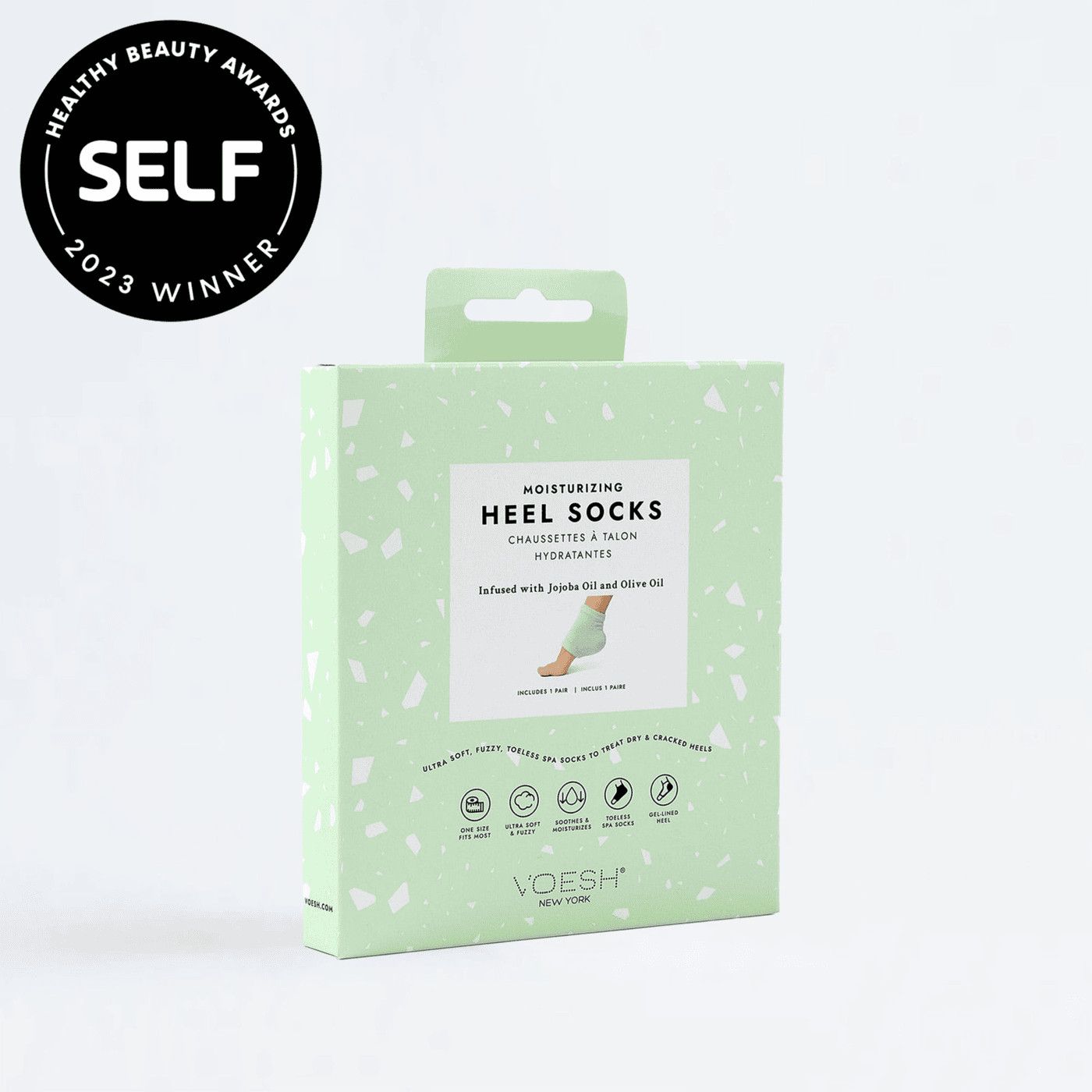
Repêchage VOESH Moisturizing Heel Socks
What to avoid
- Cutting, shaving or picking at hard skin or cracks.
- Long, hot foot soaks every day.
- Filing wet, swollen skin too hard; light strokes on softened skin are enough.
- Using acid peels on broken skin.
- Skipping moisturizer after a soak or shower.
When cracked heels need a doctor
See a doctor or podiatrist if the cracks are deep, bleed or hurt when you walk, if you see redness, warmth, swelling or pus, or if your heels do not improve after a few weeks of regular care. If you have diabetes or poor circulation, have any crack checked rather than treating it at home.
Frequently asked questions
What causes cracked heels?
Usually dry skin combined with a rim of thick, hard skin around the heel that splits under pressure. Long hours standing, open-back footwear, dry weather and some health conditions make it more likely.
What is the best cracked heels treatment at home?
A steady routine: moisturize every day, hydrate overnight with heel socks or a balm under cotton socks, and soften and gently file thick skin once a week. Results build over a few weeks.
How long do cracked heels take to improve?
Mild dryness often feels better within days of regular moisturizing. Thick skin and deeper cracks take longer, often a few weeks of consistent care.
Do heel socks work for cracked heels?
Heel socks help by keeping a moisturizing gel against the heel for a long period, which softens dry, hard skin. Deep or bleeding cracks need a doctor.
Are peeling socks safe for cracked heels?
Not on open or bleeding cracks. Peeling socks are for thick, hard or flaking skin on intact feet. Follow the pack timing and wait four to six weeks between treatments.
Should I soak my feet if my heels are cracked?
A short warm soak can soften hard skin before gentle filing. Keep it to 10 to 15 minutes, moisturize straight after, and do not soak cracks that are open or painful.
Can I file my heels every day?
No. Filing too often thins the skin and can make it sore. Once a week, with light strokes on softened skin, is enough for most people.
When should I see a doctor about cracked heels?
If cracks are deep, bleeding or painful, look infected, or do not improve with regular care, and always if you have diabetes or poor circulation.
Sources and further reading
Further reading from dermatology organizations and published research:
- American Academy of Dermatology: How to care for dry, cracked heels
- DermNet: Cracked heels
- Parker J et al. Moisturisers for the treatment of foot xerosis: a systematic review. J Foot Ankle Res, 2017 (PubMed)
- Piquero-Casals J et al. Urea in Dermatology: A Review of its Emollient, Moisturizing, Keratolytic, Skin Barrier Enhancing and Antimicrobial Properties. Dermatol Ther (Heidelb), 2021 (PubMed)