
In short: an Epsom salt foot soak is a simple, relaxing way to soften the skin on your feet before a scrub or pedicure. Dissolve about half a cup of Epsom salt in a basin of warm water, soak for 10 to 15 minutes, then dry your feet well and moisturize.
It feels soothing after a long day, but it is a comfort ritual, not a medical treatment: people with diabetes, poor circulation, broken skin or an infection should check with a doctor first. This guide explains how to use Epsom salt for feet, what it can and cannot do, and how it compares with the sea salt soak in an at-home pedicure kit.
What Epsom salt is
Epsom salt is magnesium sulfate, a mineral salt named after a spring in Epsom, England. It looks like table salt but is a different compound: table salt and sea salt are mostly sodium chloride. Epsom salt dissolves easily in warm water, which is why it has been a household foot soak for generations.
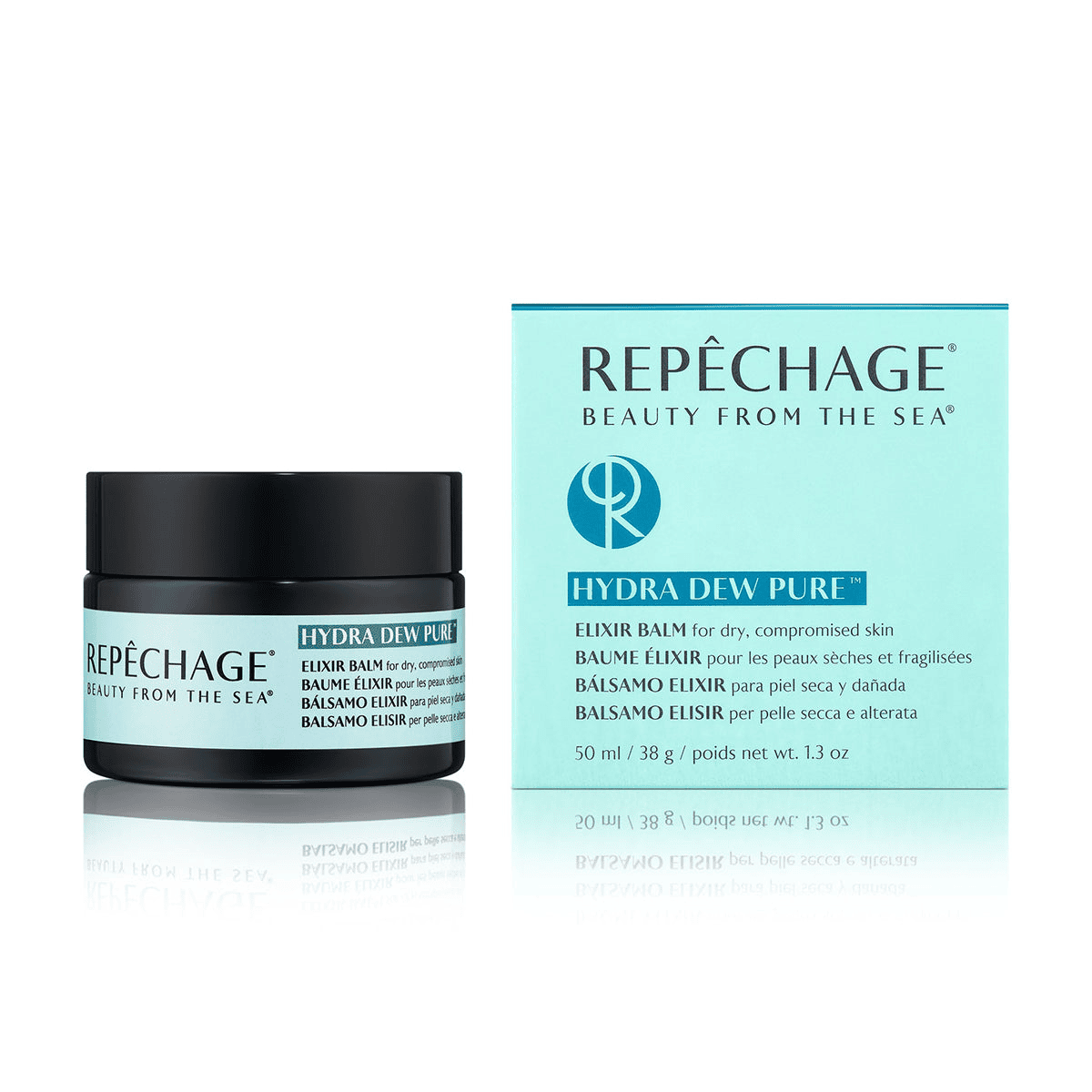
Repêchage Hydra Dew Pure Elixir Balm
Epsom salt benefits for feet: what a soak can and cannot do
A warm foot soak is pleasant, and many people find it helps tired feet feel relaxed. Here is an honest summary:
- It softens skin. Warm water softens rough skin on the heels and soles, which makes a gentle scrub or foot file easier and kinder to the skin.
- It is relaxing. Sitting with your feet in warm water after a long day on your feet is a calming routine, with or without salt.
- It helps feet feel fresh. A soak followed by thorough drying leaves feet feeling clean before you moisturize.
- It is not a cure. Claims that Epsom salt "detoxes" the body or treats foot conditions are not well supported by research, and how much magnesium the skin absorbs from a soak is still debated. Treat it as care, not treatment.
How to use Epsom salt for feet, step by step
- Fill a basin with warm water. Warm, not hot: test it with your hand or elbow first. Use enough water to cover your feet to the ankles.
- Add the salt. About half a cup of Epsom salt for a standard foot basin is a common amount. Stir until it dissolves.
- Soak for 10 to 15 minutes. Longer soaks do not add benefit and can leave skin drier afterwards.
- Exfoliate gently, if you like. While the skin is soft, use a gentle scrub or a foot file on rough areas. Do not cut or shave hard skin yourself.
- Dry thoroughly. Pat your feet dry, including between the toes, where moisture can linger.
- Moisturize. Salt and warm water can leave skin dry, so finish with a foot cream or a rich balm such as Hydra Dew Pure Elixir Balm, which is made for extra dry areas, including feet.
How often to soak your feet
Once or twice a week is plenty for most people. Soaking every day can dry the skin out, especially in winter. If your feet feel tight or itchy after soaking, soak less often and moisturize straight afterwards.
Who should skip an Epsom salt soak or ask first
- People with diabetes, nerve damage or poor circulation in the feet: you may not feel if water is too hot, and small injuries can become serious. Ask your doctor before soaking.
- Anyone with open cuts, cracks that bleed, blisters or signs of infection such as redness, warmth or swelling.
- Very dry, cracked skin: a long salt soak can make dryness worse. Keep it short and moisturize, or skip the salt.
- Anyone who notices stinging, itching or a rash after a soak.
Epsom salt or sea salt: which soak to choose?
Both are mineral salts dissolved in warm water, and both are used for relaxing foot soaks. Epsom salt is magnesium sulfate; sea salt is mainly sodium chloride with small amounts of other minerals. For an at-home pedicure, what matters most is the routine around the soak: soften, exfoliate gently, cleanse and moisturize.
The VOESH pedicure kits on JB Skincare start with a sea salt soak, measured out for one pedicure, then move through the other steps:
- Pedi in a Box Basic 3 Step: sea salt soak, sugar scrub and massage cream.
- Pedi in a Box Deluxe 4 Step: sea salt soak, sugar scrub, mud masque and massage cream, in scents such as Lavender Relieve and Eucalyptus Energy Boost.
- Pedi in a Box O2 Fizz 5 Step: a detox soak and a fizz powder, then a sugar scrub, cream mask and massage butter.
- Pedi in a Box Ultimate 6 Step: adds a callus remover step and a moisturizer.
Each product in the box is individually packed, so every pedicure starts with fresh, unopened portions. See the full range on the VOESH pedicure page.
An at-home pedicure routine with a foot soak
- Remove old nail polish and trim nails straight across.
- Soak for 10 to 15 minutes in warm water with Epsom salt or a sea salt soak.
- Scrub gently with a sugar scrub, focusing on heels and the balls of the feet.
- Apply a mask if your kit has one, and rinse.
- Massage in a cream or butter, then put on cotton socks to help it stay on the skin.
If your heels are hard or cracked, a soak alone will not be enough. Our guide to cracked heels: causes and what helps covers heel socks, peeling socks and daily care.
Frequently asked questions
Is Epsom salt good for feet?
An Epsom salt soak is a relaxing way to soften the skin on your feet before a scrub or pedicure. It is a comfort routine rather than a treatment, and it is not suitable for everyone, so check the safety points above.
How much Epsom salt should I use for a foot soak?
About half a cup in a standard foot basin of warm water is a common amount. Follow the directions on the pack you buy.
How long should I soak my feet in Epsom salt?
10 to 15 minutes is enough. Longer soaks can dry the skin.
How often can I do an Epsom salt foot soak?
Once or twice a week suits most people. Moisturize afterwards every time.
Can people with diabetes use an Epsom salt foot soak?
Ask your doctor first. Many people with diabetes are advised to avoid foot soaks, because reduced feeling in the feet makes it hard to judge water temperature and small injuries can become serious.
Does Epsom salt help with foot odor?
A soak, followed by washing and drying your feet thoroughly, can help feet feel fresh. Persistent odor is usually about sweat, footwear and socks, so change socks daily and let shoes dry out between wears. See a doctor if odor comes with itching, peeling or redness.
Can I use Epsom salt for cracked heels?
A short soak can soften hard skin before gentle filing, but salt can also dry the skin. Keep soaks short, moisturize straight after, and do not soak cracks that are bleeding or painful.
What is the difference between Epsom salt and sea salt?
Epsom salt is magnesium sulfate. Sea salt is mostly sodium chloride with small amounts of other minerals. Both are used for warm foot soaks; the routine you follow afterwards matters more than which salt you choose.
Sources and further reading
Further reading from dermatology organizations and published research: