
In short: a night cream for pigmentation can help dark spots and uneven tone fade gradually, usually over 8 to 12 weeks, when it contains proven brightening ingredients and you use sunscreen every day. It will not erase pigmentation overnight, and it cannot replace a dermatologist for melasma or very stubborn patches. Night is a good time for these creams because skin is not exposed to sun.
Do pigmentation creams really work?
Some do, slowly. Ingredients such as niacinamide, licorice extract, vitamin C, kojic acid, alpha arbutin and azelaic acid have evidence for helping uneven tone. A systematic review of topical treatments for pigmentation after acne and inflammation summarizes the options. But no cream works without sun protection: daylight keeps making new pigment. The American Academy of Dermatology's advice on fading dark spots puts sunscreen first.
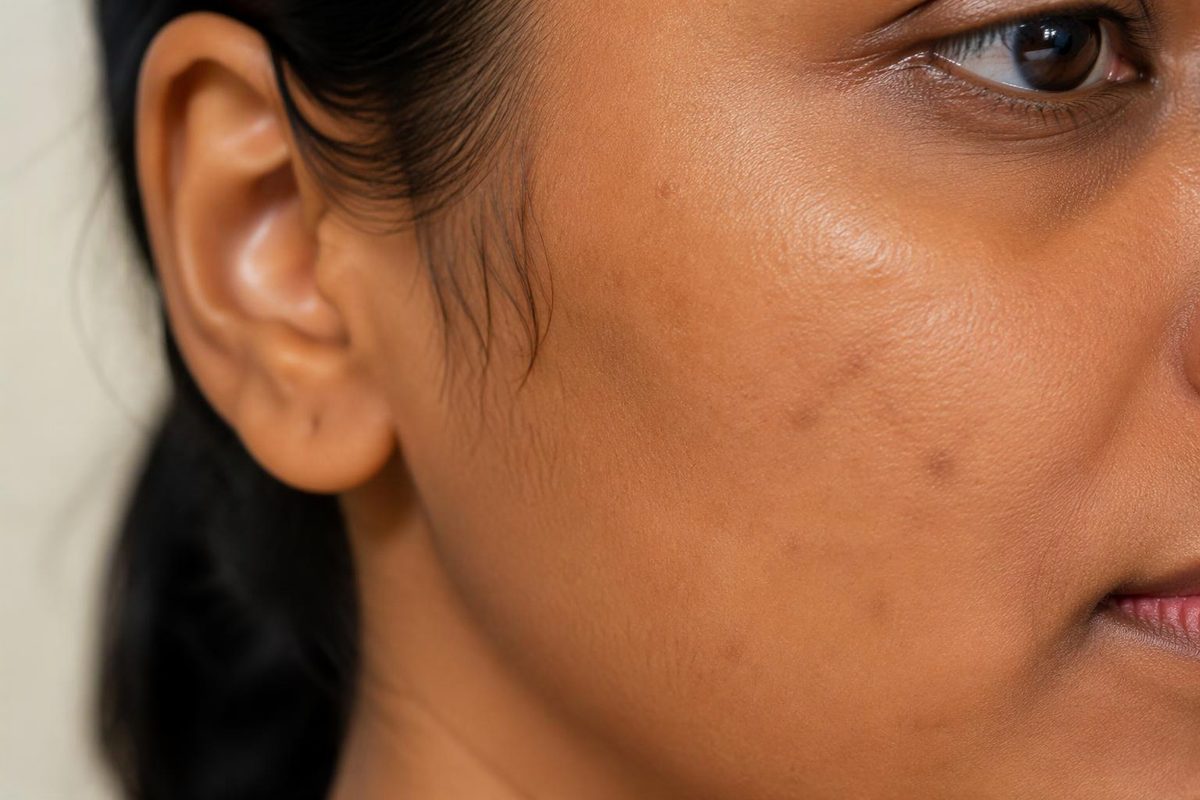
Dark spots fade slowly: think in months, not days.
What type of pigmentation do you have?
| Type | Looks like | Night cream helps? |
|---|---|---|
| Tan | Even darkening on sun-exposed areas | Yes, with sunscreen. See how to remove tan from face. |
| Marks after pimples | Flat brown spots where pimples were | Yes, over weeks |
| Sun spots | Small round brown spots | Partly; some need a dermatologist |
| Melasma | Larger patches on both cheeks | Helps as part of a dermatologist's plan |
How to use a night cream for pigmentation
- Cleanse gently and pat dry.
- Optional: a brightening serum.
- Apply the night cream to the whole face, not just the spots.
- Next morning: sunscreen, SPF 30 or higher, reapplied outdoors.
- Be patient: check progress with photos every four weeks.
Our Biolight home regimen for pigmentation shows a complete morning and night routine.

Biolight Brightening Overnight Cream
Repêchage Biolight Brightening Overnight Cream is designed for dark spots and uneven tone. It combines Repêchage's Laminaria Complex of seaweeds with licorice, gotu kola and willow bark extracts and peptides, and it deeply hydrates while you sleep. Apply to cleansed skin at night with upward and outward strokes, and pair it with daily sunscreen. If you are unsure what kind of pigmentation you have, ask for a free skin consultation.
What to avoid
- Unlabeled "whitening" creams from local shops. Some contain strong steroids or mercury, which can damage skin.
- Steroid creams on the face without a doctor's prescription.
- Lemon, baking soda and toothpaste on spots; they irritate and can darken skin.
- Picking pimples, which leaves new marks.
See a dermatologist if patches are large, spreading, or do not improve after three months. DermNet's page on postinflammatory hyperpigmentation explains the causes.
Frequently asked questions
Which night cream is good for pigmentation?
One with proven brightening ingredients such as niacinamide, licorice, vitamin C, alpha arbutin or kojic acid, used with daily sunscreen.
Do pigmentation creams really work?
Good ones help over 8 to 12 weeks. Without sunscreen, results are poor.
How long does a night cream take to reduce dark spots?
Usually 8 to 12 weeks for a visible change.
Can a night cream remove pigmentation permanently?
No cream does. Sun and hormones can bring pigment back, so keep using sunscreen.
Is a night cream for pigmentation safe for daily use?
Most are. Patch test first and stop if skin stings or turns red.
Can men use a night cream for pigmentation?
Yes. See night cream for men.
Sources and further reading
Further reading from dermatology organizations and published research:
- American Academy of Dermatology: How to fade dark spots in darker skin tones
- DermNet: Postinflammatory hyperpigmentation
- Tan MG et al. Topical treatment for postinflammatory hyperpigmentation: a systematic review. J Dermatolog Treat, 2022 (PubMed)
- Hakozaki T et al. The effect of niacinamide on reducing cutaneous pigmentation and suppression of melanosome transfer. Br J Dermatol, 2002 (PubMed)